
What can you do with PlanMagnet?
Scenario-driven use cases grounded in the product — from a head of product shaping a roadmap to an engineer working the board. Pick a persona and follow the story. These are illustrative scenarios, not real customers.
Showing 32 use cases
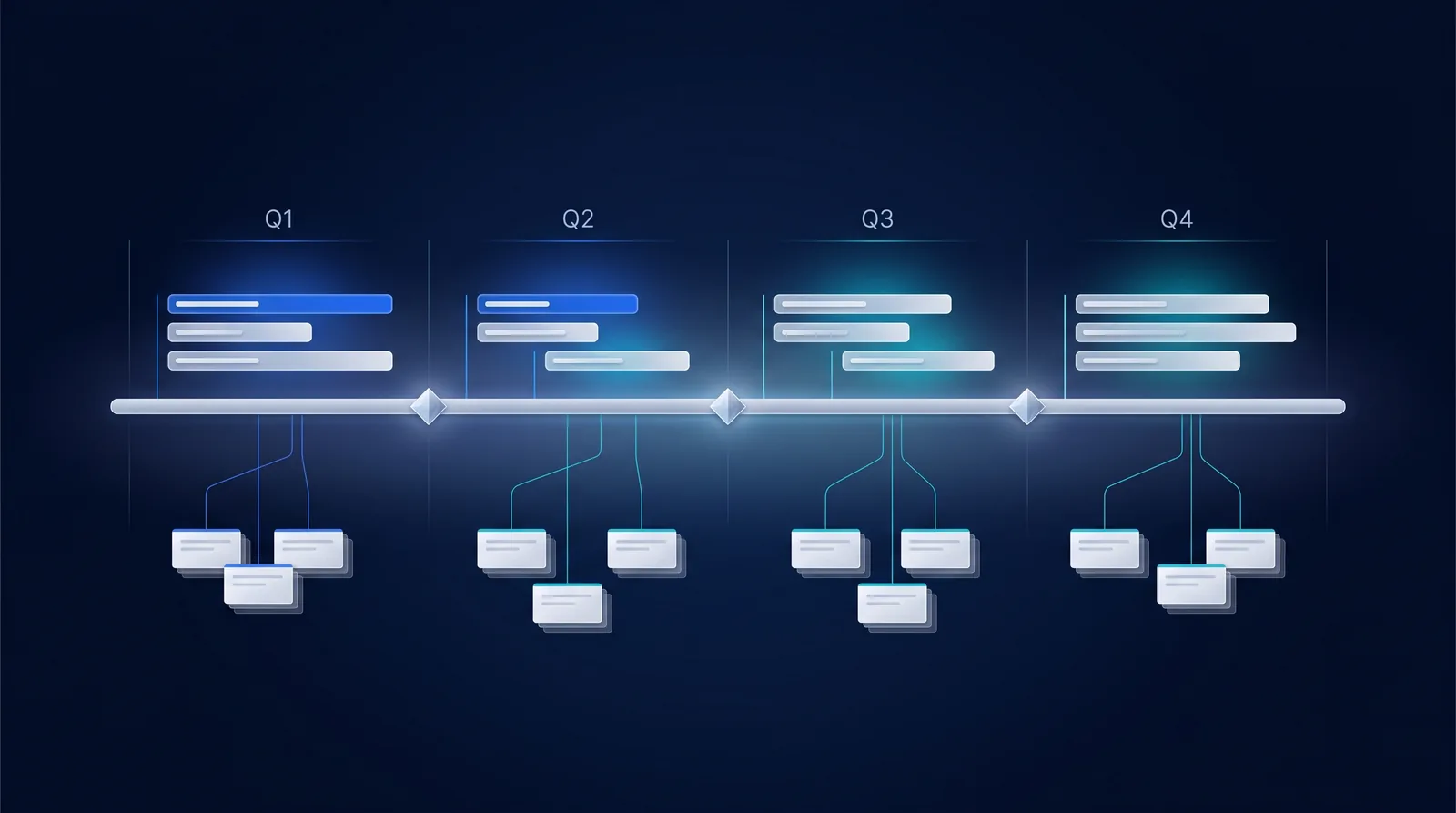
Planning & Roadmaps
Build a roadmap your whole org can see
Turn a wall of ideas into a living roadmap — initiatives grouped by quarter, theme, or objective, each tied to the work that delivers it, so leadership and delivery teams share one view of what is coming and why.
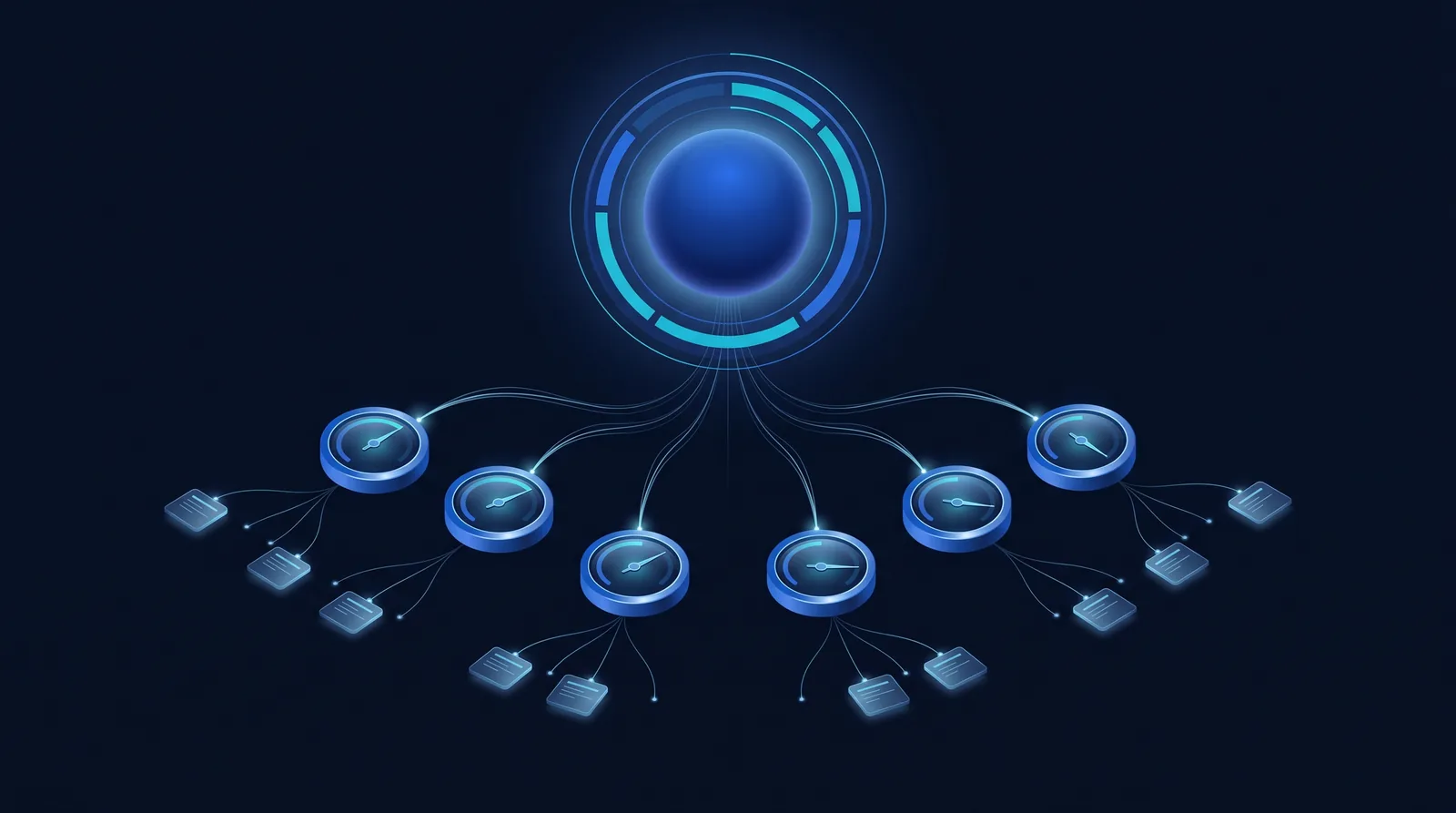
Planning & Roadmaps
Connect goals to the work that delivers them
Define objectives and measurable key results, update progress as work completes, and watch goal health roll up automatically — so goals are not a quarterly ritual disconnected from delivery.

Planning & Roadmaps
Plan timelines against real capacity
Sequence epics on a timeline, map dependencies, and weigh the plan against your team’s actual capacity — so you spot an over-committed quarter before it becomes a missed deadline. This story is narrative-only today.
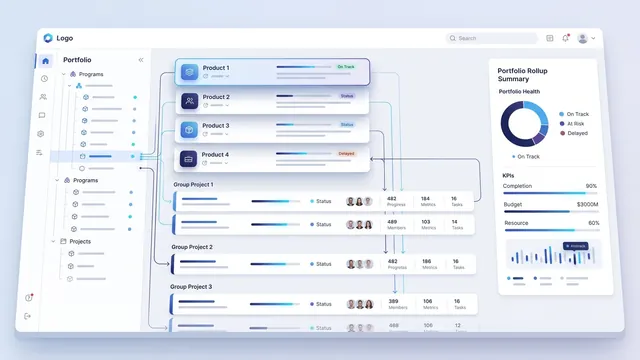
Planning & Roadmaps
Organize work by product and portfolio
Structure work as a portfolio — products at the top, the projects that deliver them grouped beneath, and cross-project dependencies made visible — so multi-team planning stays organized as the org grows.
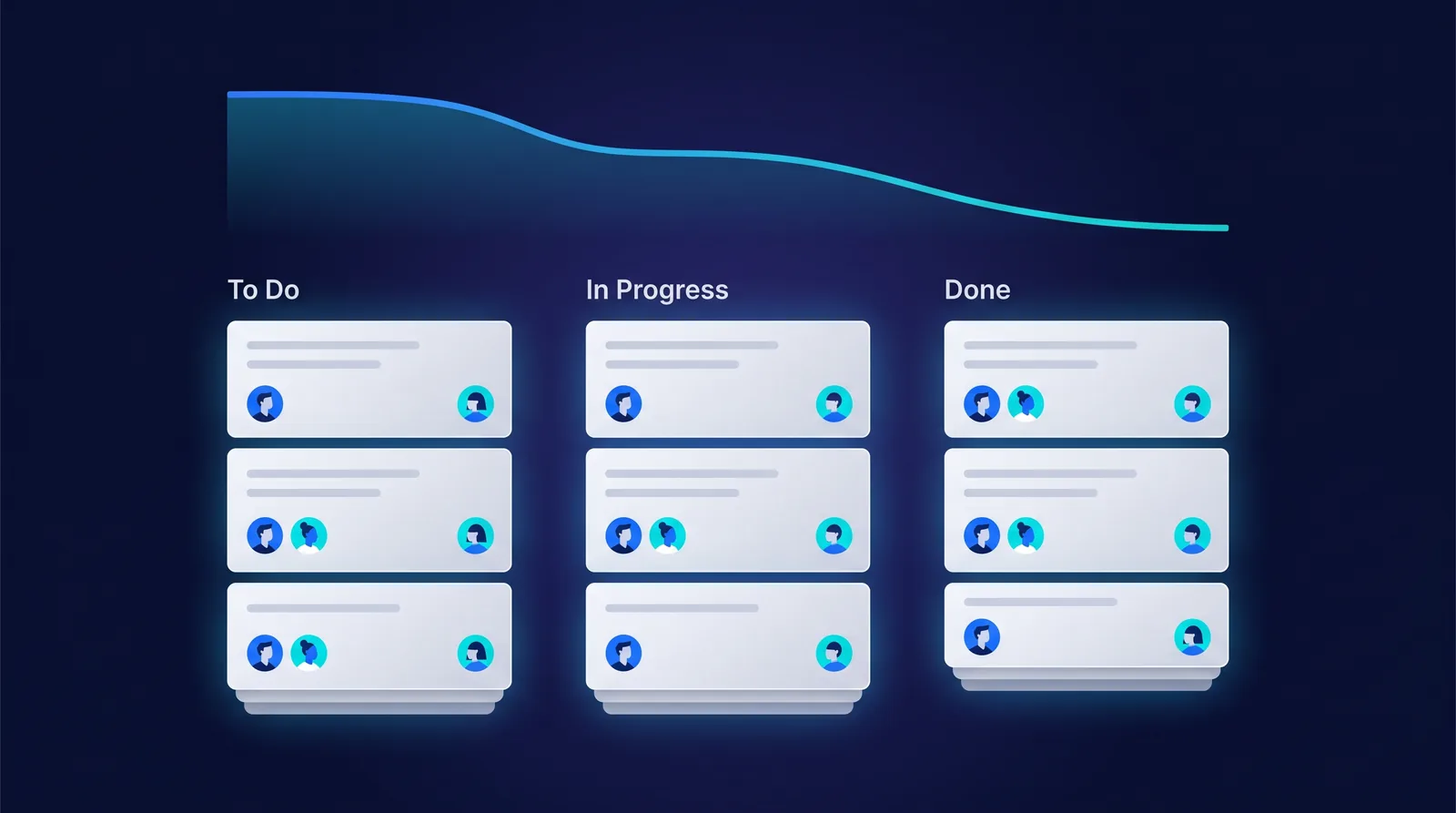
Delivery & Execution
Run sprints on a board the team actually uses
Pull from the backlog into a sprint, work it on a configurable Kanban or Scrum board with WIP limits and swimlanes, and close the sprint with a burndown and a clean carry-over — the daily heartbeat of a delivery team.

Delivery & Execution
Keep a backlog that is ready, not a graveyard
Triage incoming work, estimate and rank it, split epics into right-sized stories, and keep the top of the backlog refined — so every sprint starts from a list that is genuinely ready to build.
Delivery & Execution
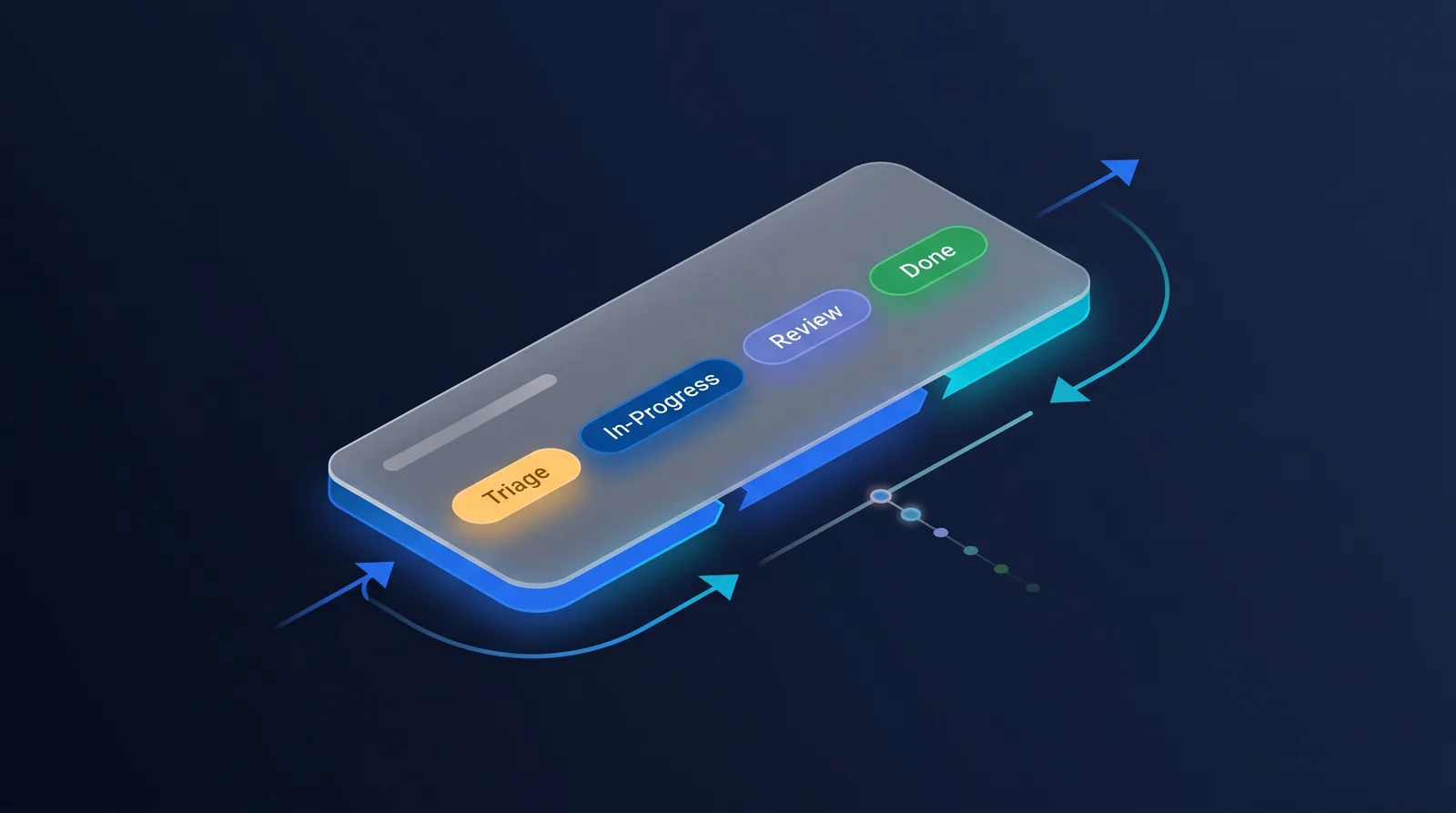
Track every issue from report to resolved
Capture bugs, tasks, and custom work types with the fields and workflow states your team needs, route them to the right person, and follow each to resolution — with a full history of who changed what and when.
Delivery & Execution
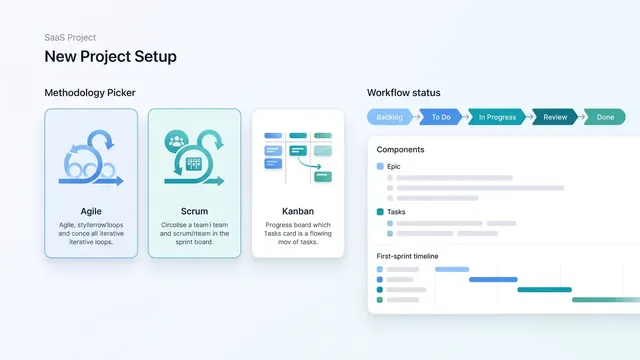
Spin up a project that fits how your team works
Create a project configured for the methodology your team actually runs — Agile, Scrum, Kanban, or your own — then add the epics, tasks, and first sprint that turn it into real delivery.
Delivery & Execution
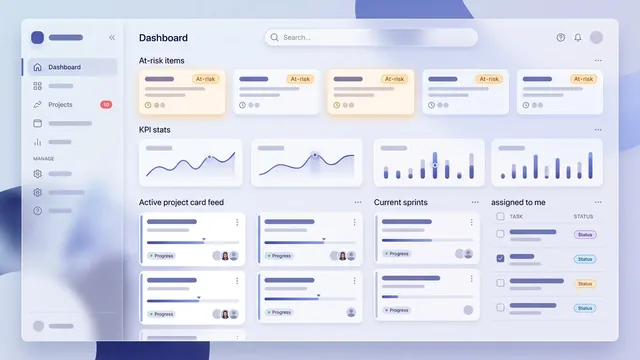
Start every day from one command center
Open the dashboard to a live, at-a-glance view of your active projects, sprints, and assigned work — so you know what needs you first and can jump straight into it, every morning.
Product Management
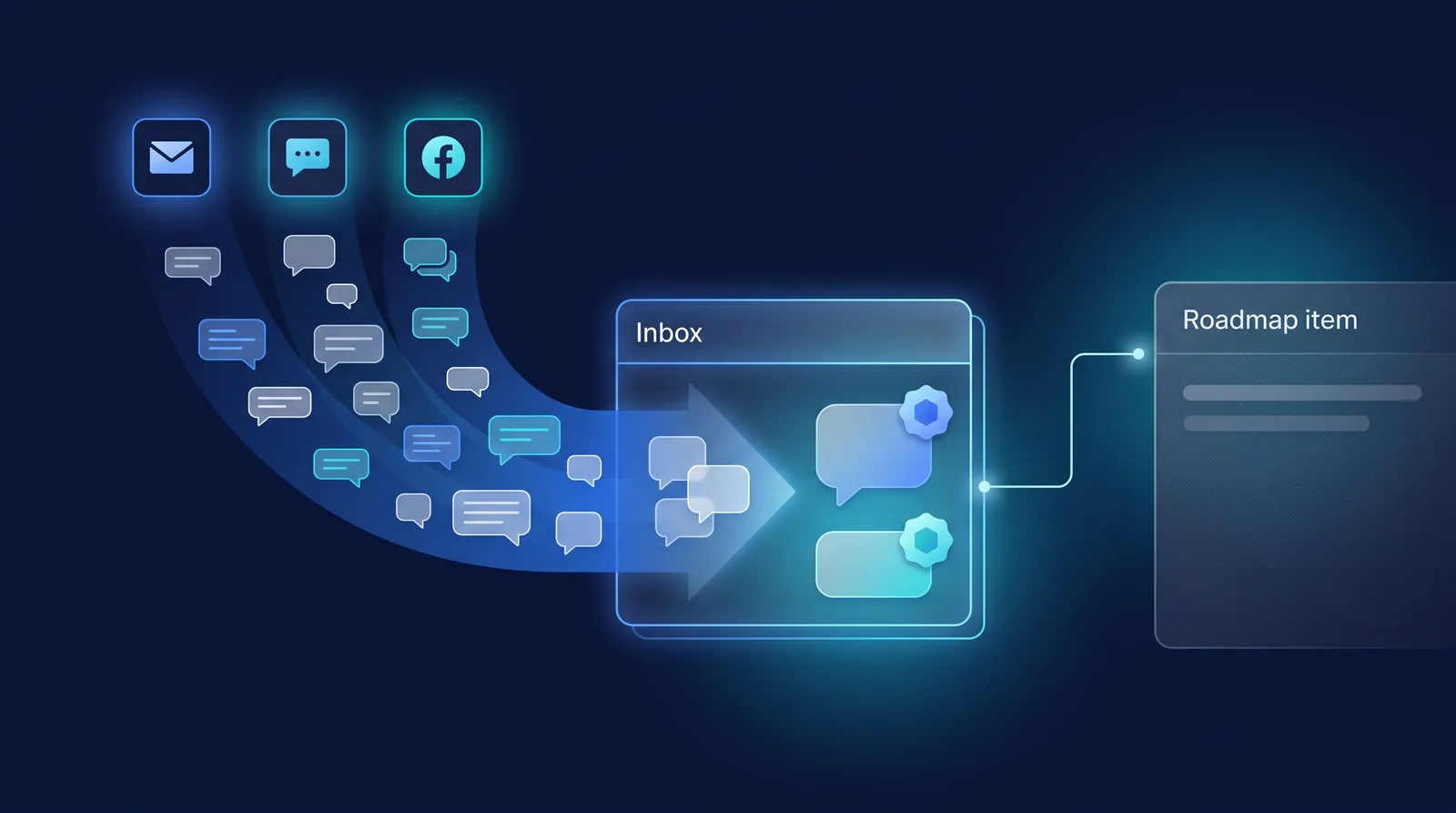
Turn scattered feedback into a ranked signal
Bring customer requests, support tickets, and internal ideas into one inbox, merge duplicates, weight them by impact, and link them to the initiatives that address them — so the roadmap is grounded in real demand. This story is narrative-only today.

Product Management
Write the spec where the work already lives
Draft product requirements and design docs in a rich editor, link them directly to the epics and tasks that implement them, and keep the spec and the work in sync — no copy-paste between a doc tool and a tracker. This story is narrative-only today.
Product Management
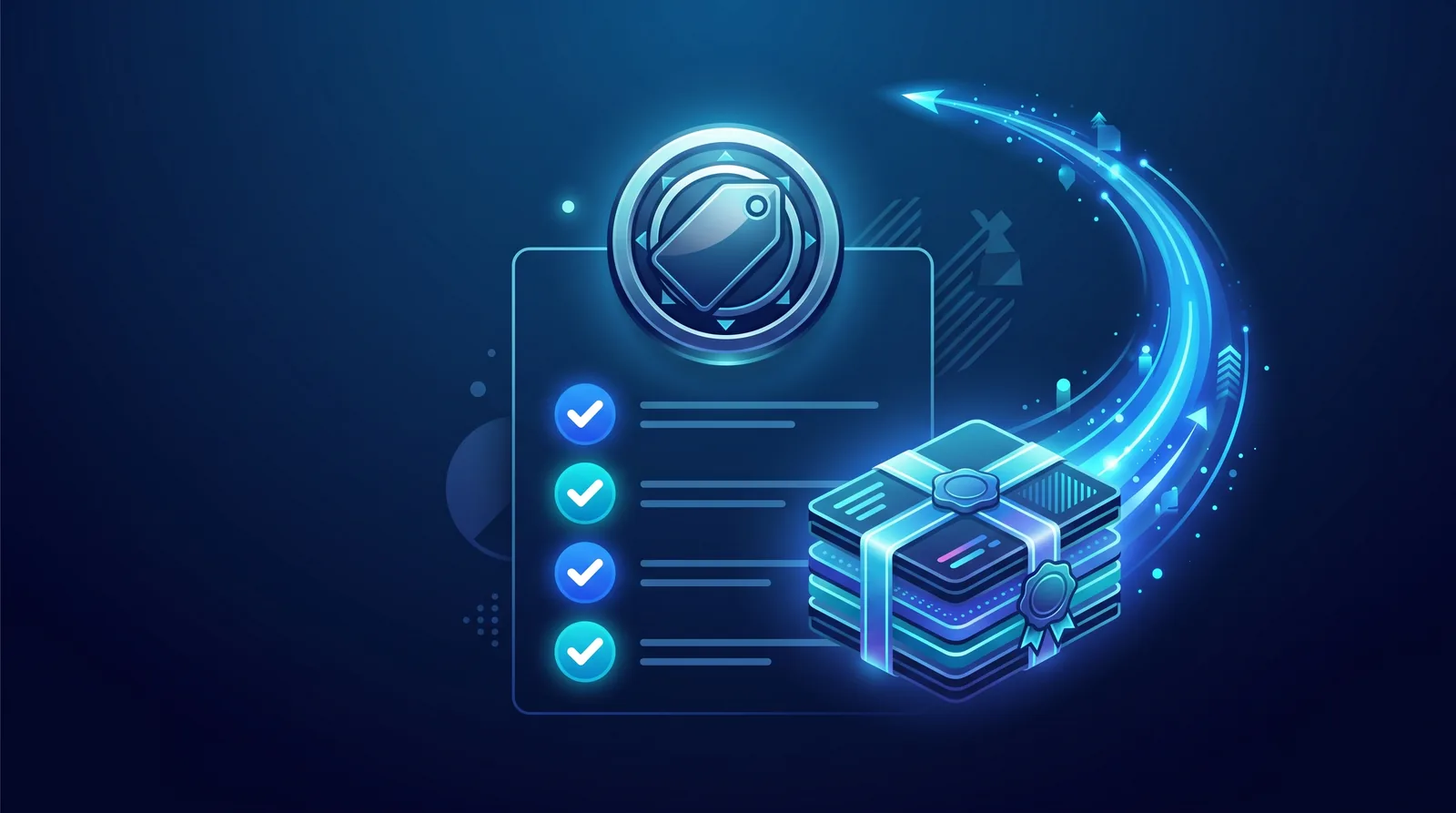
Plan a release and tell everyone it shipped
Bundle epics and fixes into a versioned release, track its readiness against a checklist, and generate release notes from the work itself — so launching is a coordinated event, not a scramble. This story is narrative-only today.

Collaboration & Docs
Comment, mention, and decide without a meeting
Discuss work where it lives — threaded comments, @mentions that notify the right people, and decisions recorded on the item — so context stays with the task instead of vanishing into chat and inboxes.
Collaboration & Docs
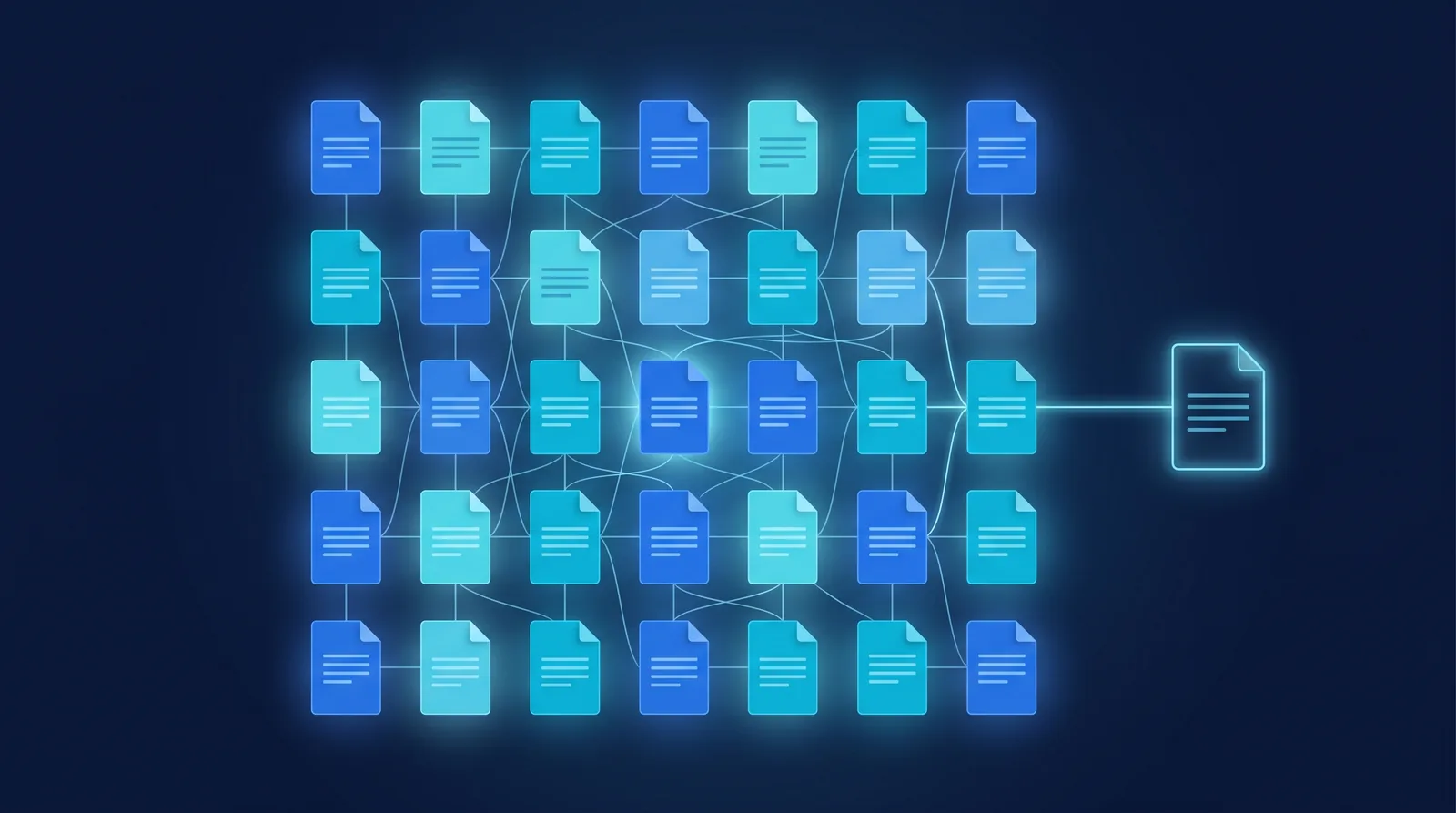
Keep a wiki the team actually trusts
Build a connected knowledge base — architecture docs, runbooks, onboarding guides, and decision records — that links to the work it describes, so the answer to "how does this work?" is findable, not folklore. This story is narrative-only today.
Collaboration & Docs
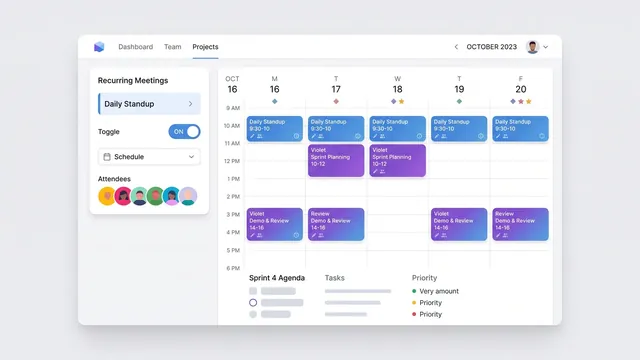
Schedule the meetings that move work forward
Schedule standups, planning, and review sessions tied to the project or sprint they are about, see them on the shared calendar alongside milestones, and let everyone be notified automatically.
Insights & Reporting
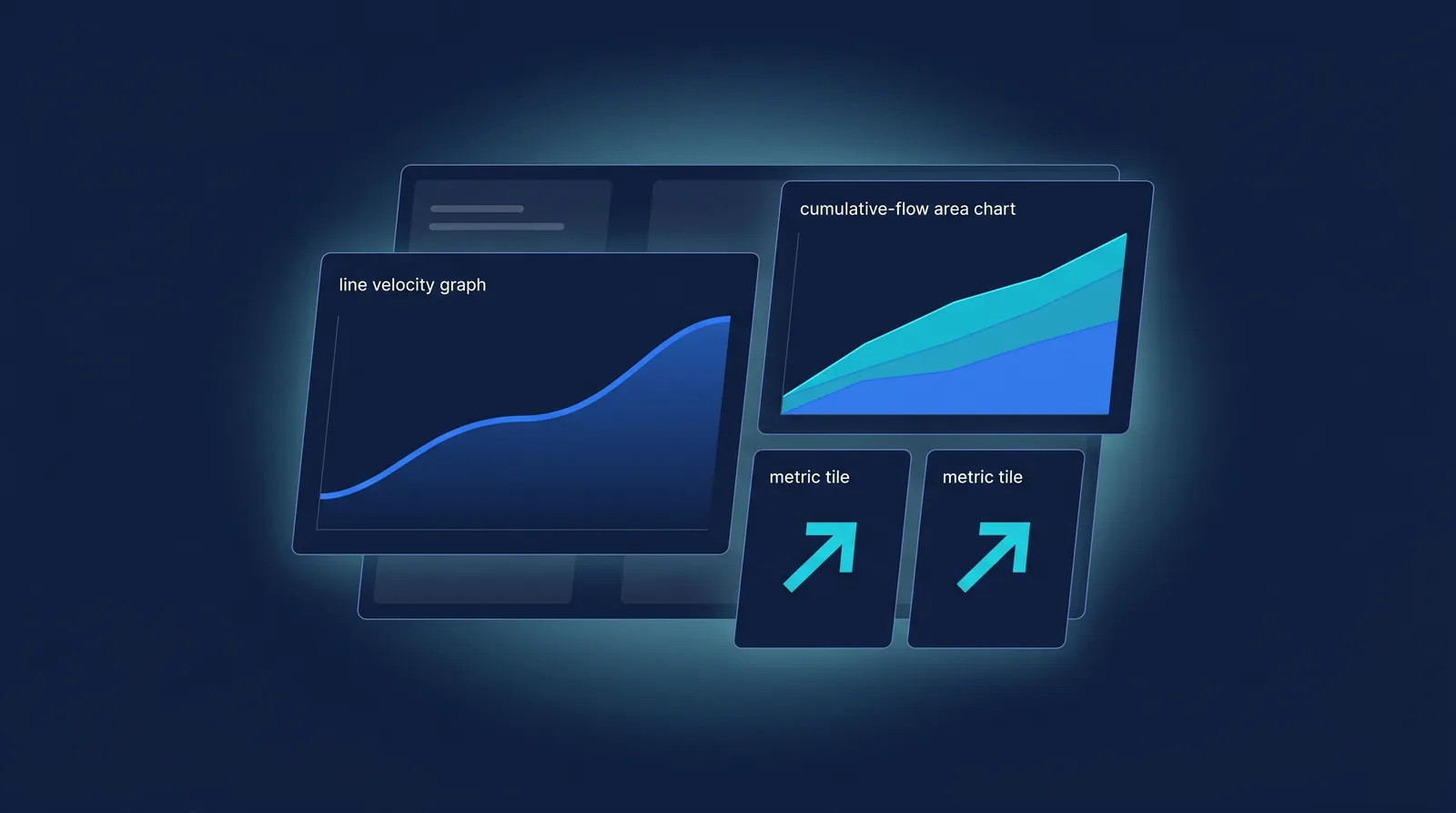
Run delivery on data, not gut feel
Build dashboards from real work data — velocity, cycle time, throughput, cumulative flow — so an engineering manager can spot a bottleneck, defend a timeline, and improve the process with evidence.

AI Native
Four planning decisions, one at a time
PlanMagnet commits to four AI planning decisions: draft work from an idea, summarise a thread into the decision, forecast a date from real throughput, and flag at-risk work. The first one is live in the backend today; this is the honest scorecard for all four. This story is narrative-only today.
Platform & Governance
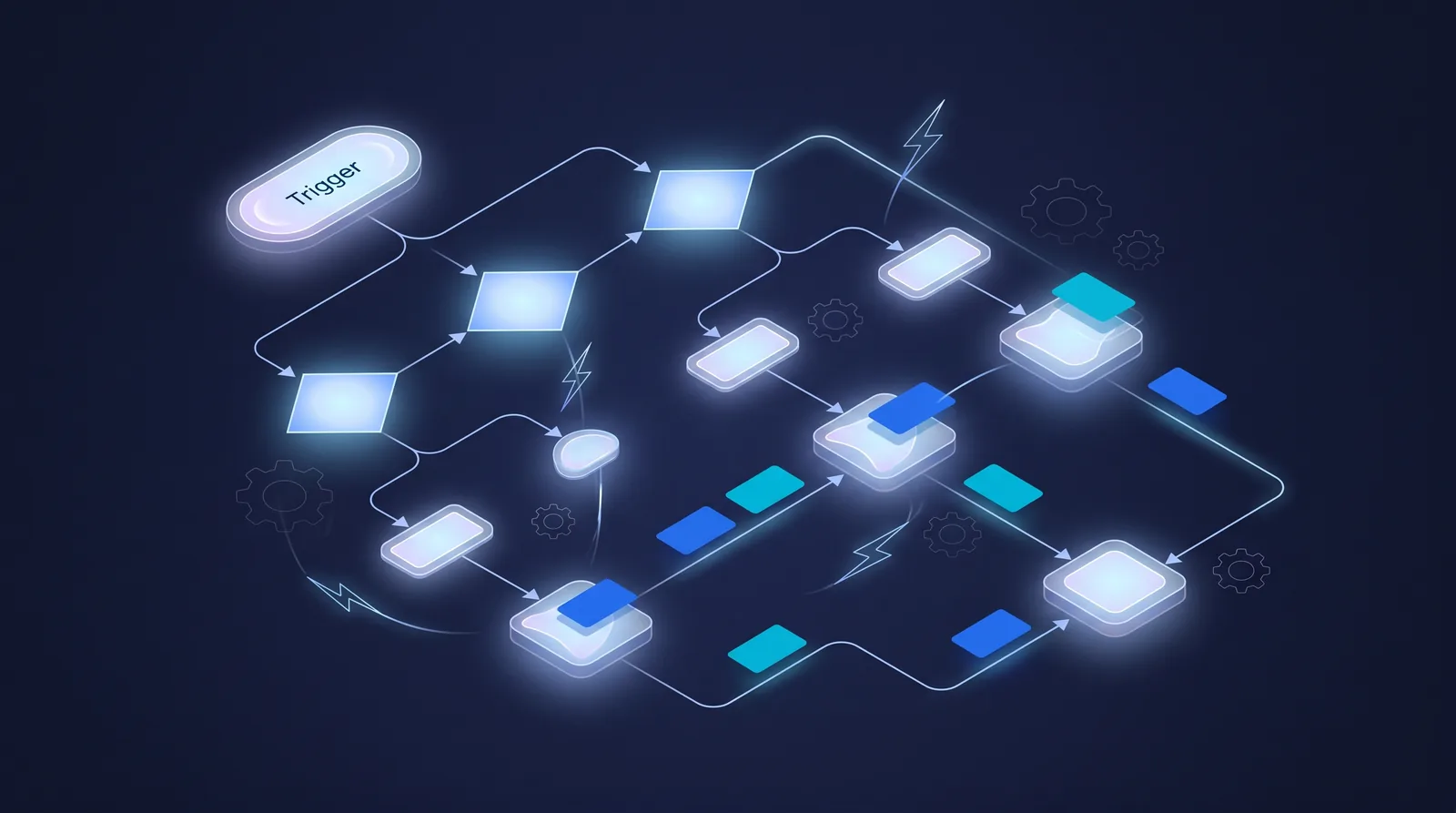
Automate the rules your team keeps forgetting
Build no-code automation rules — when this happens, do that — to route new work, keep statuses in sync, escalate stale items, and post updates, so the team’s process runs itself instead of relying on memory. This story is narrative-only today.

Platform & Governance
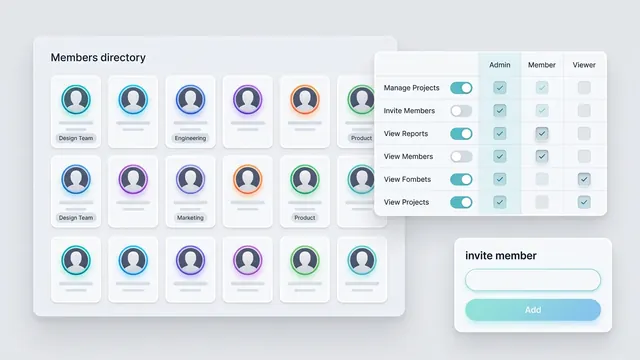
One workspace, many teams — governed by RBAC
Run PlanMagnet as a governed multi-team workspace where projects are isolated, every action is scoped by role, and access is controlled by RBAC — inherited from the Burdenoff platform rather than re-invented.
Platform & Governance
Bring your team in and give each the right access
Invite your team into the workspace, organize them into groups for bulk assignment, and use role-based access so each person and group gets exactly the access they need — no more, no less.
Platform & Governance
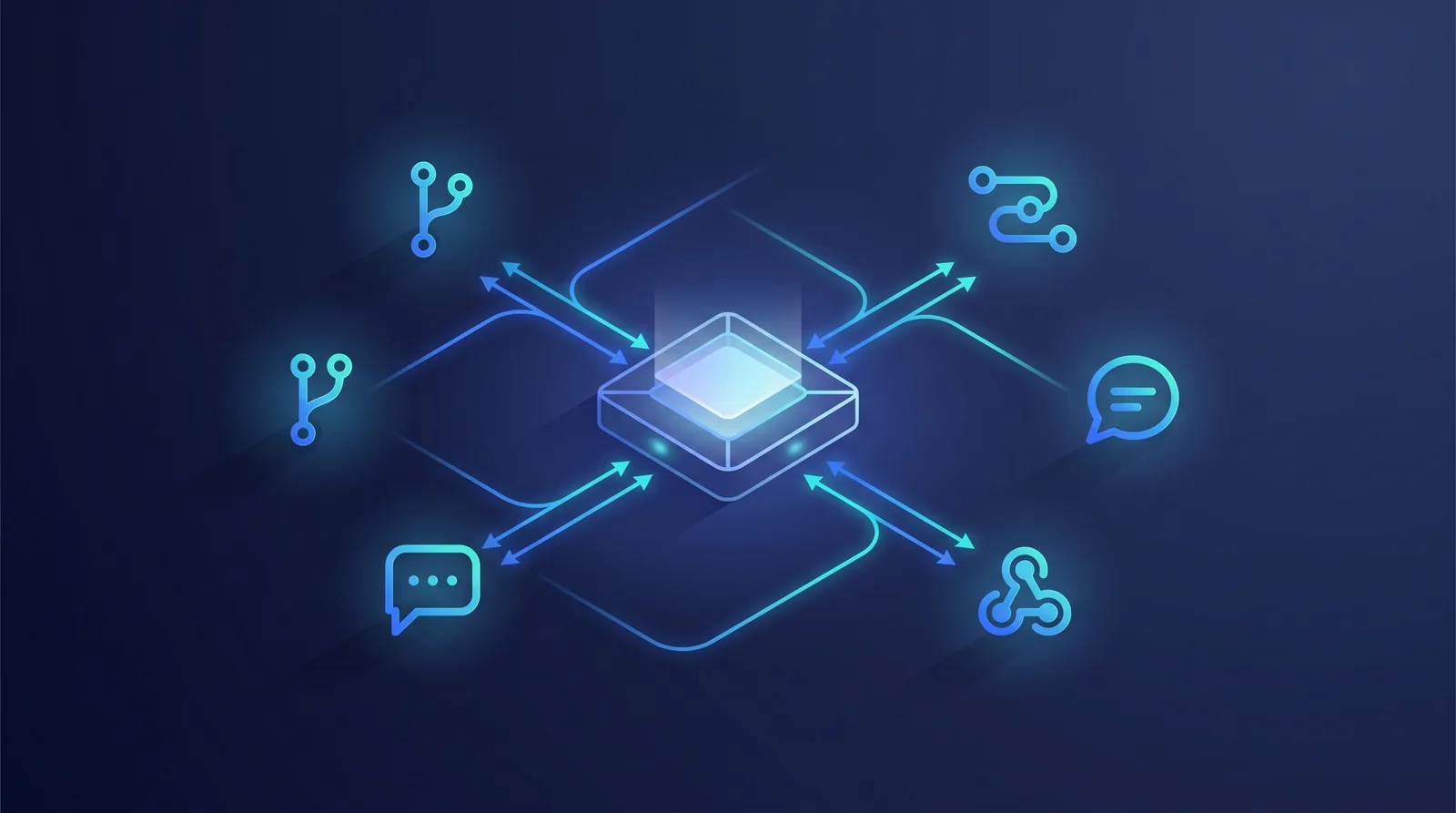
Wire planning into the rest of your stack
Connect PlanMagnet to source control, CI/CD, chat, and your own tools through integrations, webhooks, and a GraphQL API — so commits update tickets, deploys close releases, and nothing is re-keyed by hand.

Delivery & Execution
Log time and approve it without spreadsheets
Log effort against the tasks people actually worked on, roll a period into a timesheet, and route it through a submit → approve cycle — so real hours live next to the work instead of in a spreadsheet, and approval is a recorded step, not an email.
Delivery & Execution
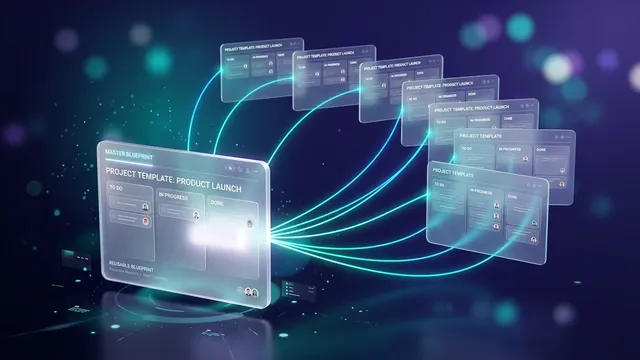
Spin up new projects from proven templates
Save a well-run project as a reusable template — its boards, statuses, and starter work — then apply it to spin up a fully configured new project in one click, so every engagement starts from your best practice instead of a blank slate.
Planning & Roadmaps
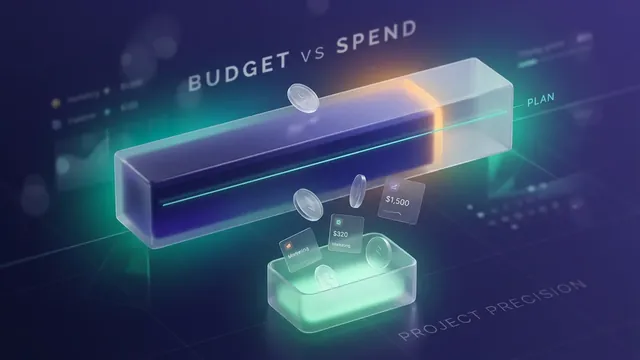
Keep every project on budget
Give a project a budget, log expenses against it, and see planned vs. actual on the same record you manage delivery on — so overspend surfaces early instead of arriving at invoice time.

Product Management
Bring competitive context into product decisions
Keep a record of the competitors that matter and link them to the feature requests and roadmap items they influence — so prioritisation weighs market context alongside customer demand, on the same items you already manage.
Platform & Governance
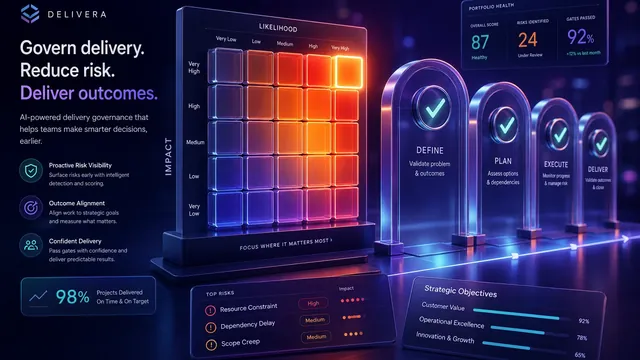
Catch risks and gate quality before you ship
Log delivery risks scored by likelihood and impact on a matrix, and define quality gates a release must pass with a recorded review verdict — so risk is managed on purpose and "is this ready to ship?" has an auditable answer.

AI Native
Turn a paragraph into a reviewable backlog
Transform feature requests into actionable backlog items with AI suggestions. Review and prioritize work items easily.

AI Native
A forecast you can defend, because it shows its inputs
Get defendable delivery forecasts with confidence signals. Transparent inputs ensure reliability without data invention.
AI Native
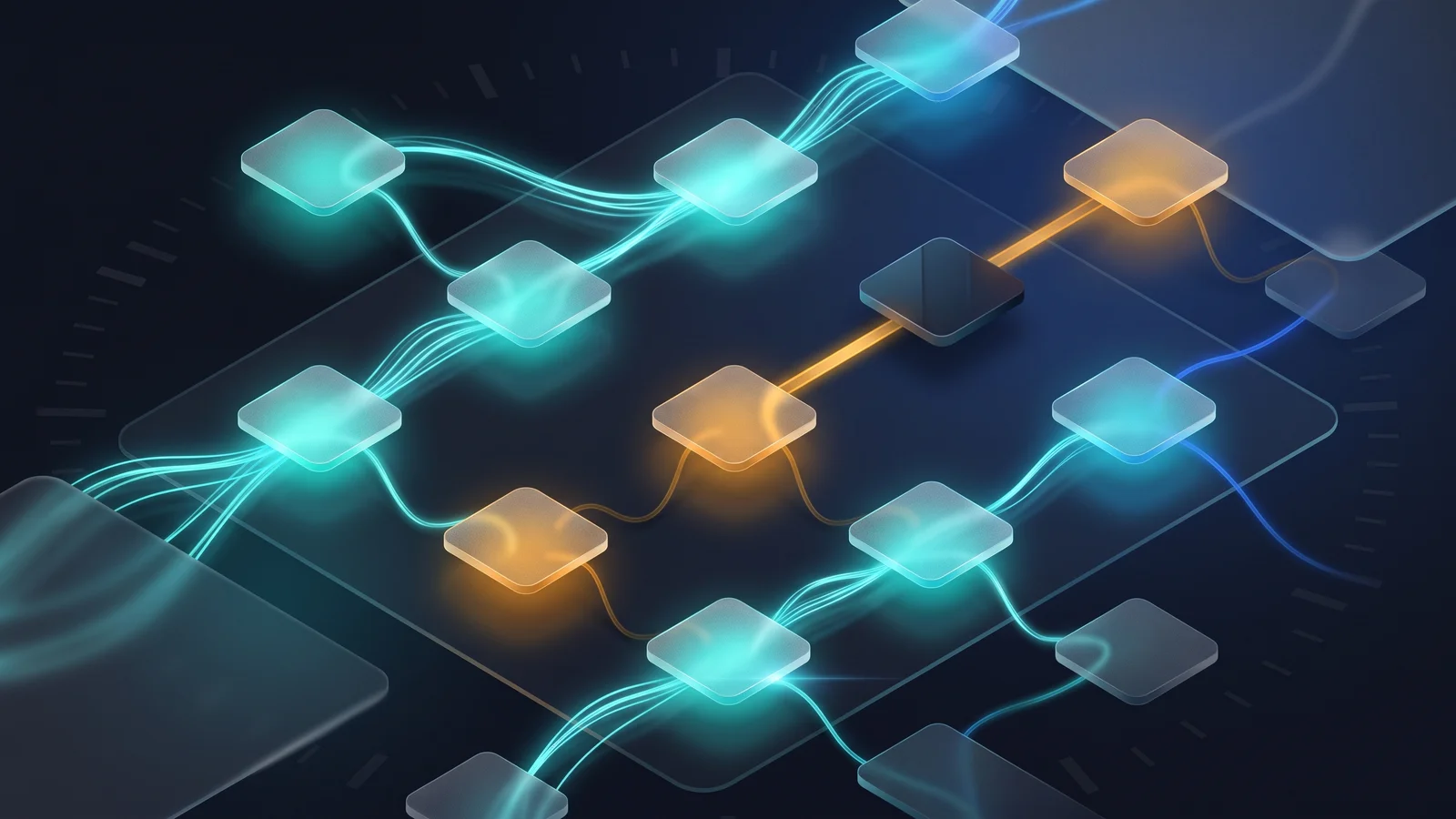
Be told what is slipping, and why, on the morning it matters
Identify at-risk work early with AI. Flags stale items, dependencies, and over-commitments to keep projects on track.

AI Native
Stop the loudest voice winning on a technicality
AI identifies and merges duplicate feature requests, consolidating votes to ensure fair prioritization without bias.

AI Native
Every AI call leaves a row behind
Each AI call logs details like provider, model, and status. Unparseable responses are recorded for transparency.

AI Native
Let an external agent run your planning tools
External AI agents can manage projects, sprints, and more via MCP server, ensuring efficient planning operations.
See your scenario here?
PlanMagnet is available today. Create a workspace and run your own version of these scenarios.